
Riding a motorcycle through Hartford traffic gets old fast. Cars crawl along while your bike sits stuck in the same lane. So you start wondering: is lane splitting legal in CT? It’s not idle curiosity. A wrong guess could cost you a ticket. Riders ask this question every day.
Here’s the short answer. Is lane splitting legal in CT? Is lane splitting legal in Connecticut? Both questions land on the same answer: no. CT law treats lane splitting as a straight-up violation. Lane-splitting Connecticut bills have surfaced in Hartford before. None of them has passed yet.
So what does that mean for you? If you get hurt while splitting lanes, fault gets messy fast. Insurance companies love pointing fingers. A Connecticut motorcycle accident lawyer can walk you through your options and fight for the compensation you deserve.
Hit by an 18-wheeler in Nashville? An accident attorney who fights trucking companies daily. Free case review, no fee unless you win.
Is lane splitting legal in ct?
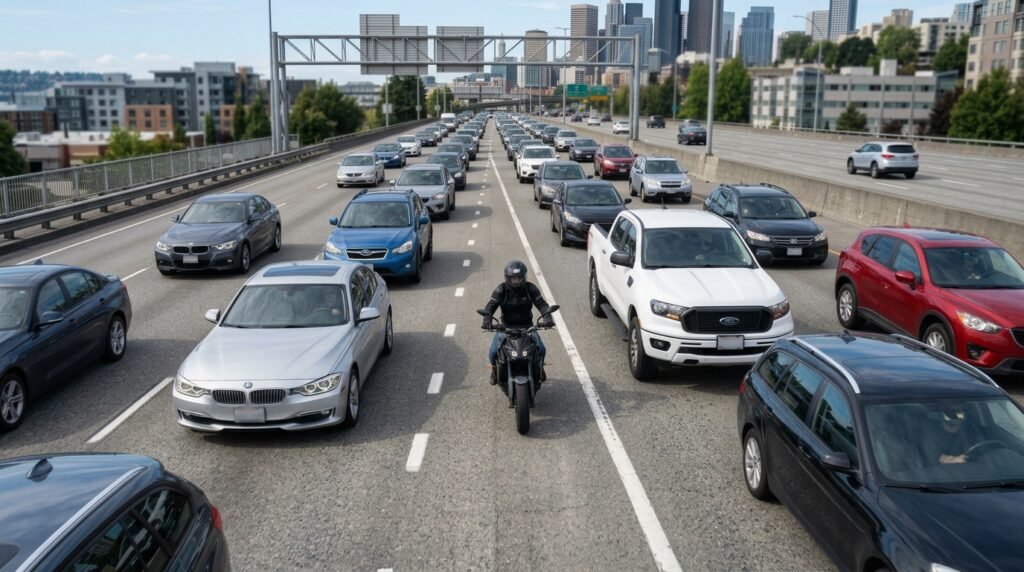
Lane splitting happens when a motorcycle rides between two lanes of traffic moving in the same direction. You’ll usually see it during rush hour, when cars pack the highway, and a bike has just enough room to squeeze through.
People often lump a few different riding moves together, but they’re not the same thing:
- Lane filtering
- Lane sharing
- Shoulder riding
People use these terms interchangeably all the time. That’s a mistake. Connecticut law treats each one differently. Mixing them up can lead to confusion about what’s actually allowed on the road.
Is Lane Splitting Legal in Connecticut?
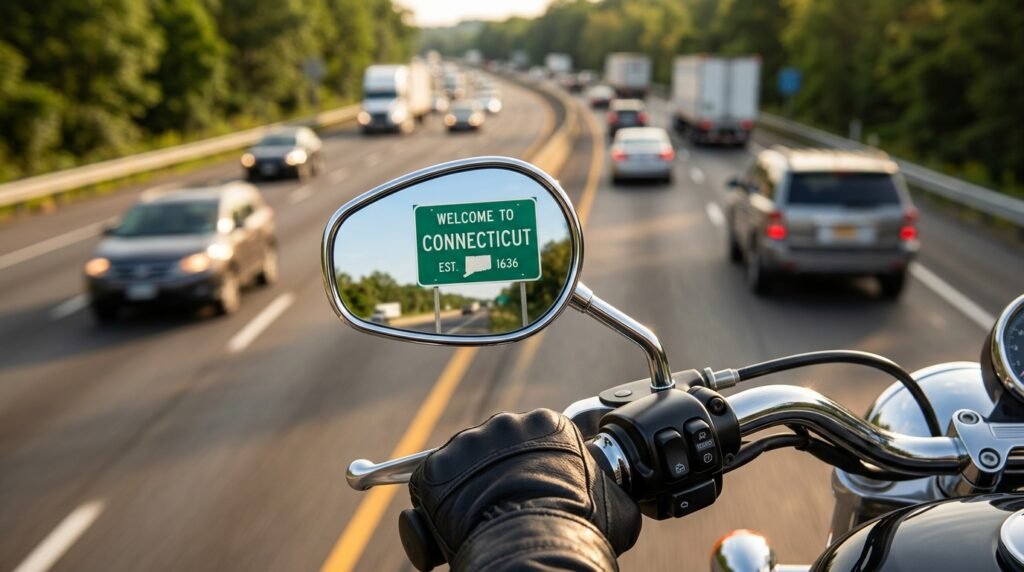
No. Connecticut law is clear: lane splitting is illegal.
State law says motorcycles have to stay within a single lane of traffic. You can’t pass between vehicles in adjacent lanes or use the gap between them as your own travel lane. Break this rule, and you’ll get a citation. Worse, if you’re ever in an accident, that violation can complicate your claim down the road.
Connecticut Motorcycle Law Explained
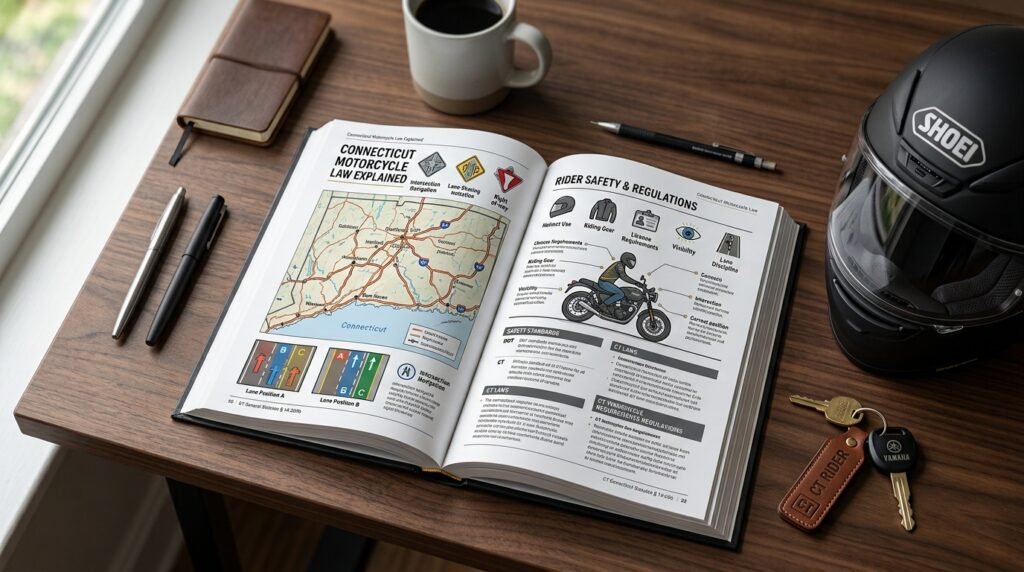
Connecticut General Statutes § 14-289b spells this out. Under this statute, motorcyclists get full use of a single lane. Other drivers aren’t supposed to crowd that lane or try to share it with you.
Here’s an interesting wrinkle, though: two motorcycles can legally ride side-by-side in the same lane. But that’s where the flexibility ends. A rider can’t pass another vehicle by squeezing through the space between lanes and can’t overtake a car by weaving within the same lane either. Lawmakers wrote these rules to keep traffic predictable. Sudden lane changes and narrow gaps between vehicles are exactly what causes crashes.
If you ride in Connecticut, it’s worth getting familiar with the state’s other motorcycle laws, too. Together, they protect your rights if something goes wrong.
What Does This Mean for Motorcycle Riders?

Bottom line: stay in your lane. Even when traffic grinds to a halt and you can see open space between cars, resist the urge to squeeze through. It might feel like the smart move in the moment. But splitting lanes raises your odds of a collision and puts a citation on the table. Neither one is worth the few minutes you’d save.
How Does Connecticut Compare to Other States on Lane Splitting?
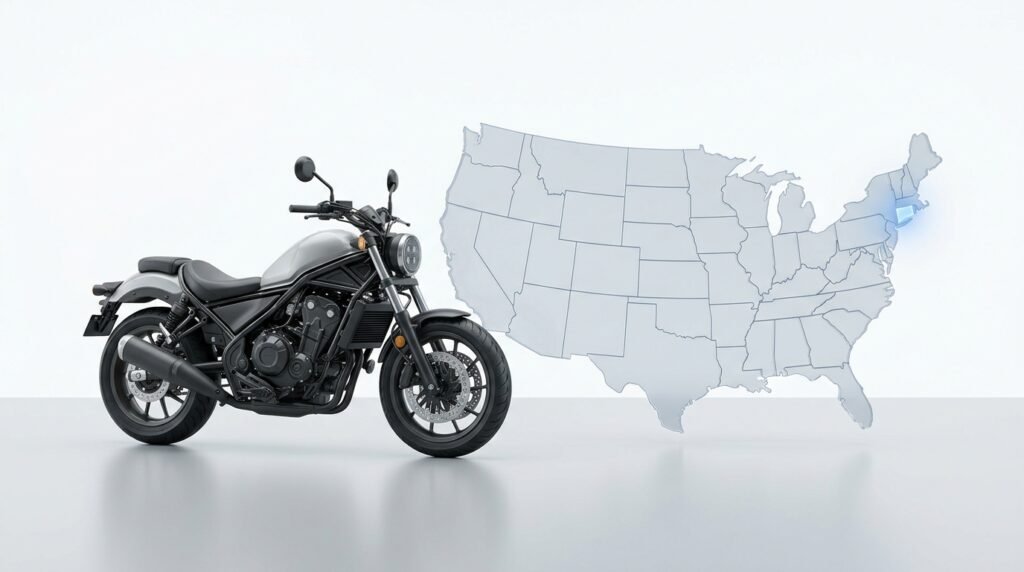
Connecticut isn’t alone in banning lane splitting — it’s just not keeping up with every state either. Only two states have fully legalised the practice: California and Minnesota. A handful of others, including Arizona, Colorado, Montana, and Utah, allow a limited version called lane filtering, where riders can move between stopped vehicles under specific conditions.
Most states fall somewhere else on the map:
- Illinois bans it outright under its traffic code (625 ILCS 5/11-709).
- Hawaii lets motorcycles use a full lane but doesn’t permit “lane surfing” between marked lanes (HRS § 291C-49).
- Connecticut requires motorcycles to stay within a single lane, full stop.
So if you’ve ridden in California and gotten used to splitting lanes, don’t assume the same rules apply once you cross into Connecticut. They don’t.
Why Is Lane Splitting Illegal in Connecticut?
Connecticut lawmakers banned lane splitting for one main reason: it catches other drivers off guard. Most motorists simply don’t expect a motorcycle to appear between lanes, especially when traffic’s crawling or stopped. That surprise factor is dangerous.
A few of the specific risks lawmakers point to:
- Drivers changing lanes without spotting a nearby rider.
- Tight spaces that leave almost no room to avoid a crash.
- Blind spots that hide motorcycles from view.
- Sudden stops or shifts in traffic flow.
- Less reaction time for everyone involved.
Connecticut hasn’t ignored the idea of change. Bills like Senate Bill 629 and Senate Bill 1083 have both floated the idea of loosening these restrictions. Neither made it into law. So for now, the ban stands, and riders need to plan their commute accordingly.
Penalties for Illegal Lane Splitting in Connecticut. If you get
Get caught lane splitting in Connecticut,d you’re looking at a traffic citation. Like most moving violations, that usually means a fine and points added to your driving record through the Connecticut Department of Motor Vehicles. Stacking lane splitting on top of something like reckless driving makes the penalties climb fast.
There’s a second layer to worry about, too. A lane splitting ticket doesn’t just cost you money upfront. It can follow you into a personal injury claim if you’re ever hurt in a crash, since insurers love using traffic violations as ammunition.
Who Is at Fault in a Lane Splitting Accident?
There’s no simple formula for figuring out fault in a lane splitting accident. It comes down to the specific facts of the crash, what each driver did, and what the evidence shows.
If a rider was lane splitting when the crash happened, that fact matters. But it doesn’t automatically wipe out their right to compensation. Connecticut follows a modified comparative negligence rule, meaning more than one party can share the blame for an accident.
Take this example: a motorcyclist is riding between lanes, but the driver next to them could still be negligent if they:
- Changed lanes without signalling or checking their blind spot.
- Made an abrupt or unsafe lane change.
- Were texting or otherwise distracted.
- Were speeding or driving aggressively.
- Failed to yield when the law required it.
Insurance companies dig into evidence like police reports, witness statements, photos, dashcam footage, and vehicle damage to piece together what actually happened. That’s exactly why having a motorcycle accident lawyer on your side matters. They know how to gather and protect that evidence before it disappears or gets twisted against you.
Here’s what to remember: don’t assume you’re automatically at fault just because lane splitting was part of the story. Every crash is different. It usually takes a thorough investigation to determine who’s actually responsible.
How Comparative Negligence Affects Your Claim
Connecticut’s modified comparative negligence rule uses a 51 per cent bar, laid out in Conn. Gen. Stat. § 52-572h. Here’s how it plays out in practice: if you’re found 20 per cent at fault for a crash, your compensation gets reduced by 20 per cent. Simple enough. But if you’re found 5 per cent or more at fault, you’re barred from recovering anything at all.
That percentage isn’t decided by a coin flip. Insurance adjusters and, if it comes to it, a jury will look at what both drivers did leading up to the crash. Lane splitting might get factored in as one piece of a much larger puzzle, not the whole story.
Can Lane Splitting Affect Your Personal Injury Claim?
Short answer: it can. But it doesn’t have to sink your case. Insurance companies love pointing at lane splitting as proof a rider caused their own crash. That’s as much a negotiating tactic as anything else. Adjusters will use any traffic violation they can find to push your settlement lower or deny the claim outright.
Here’s the catch, though: Connecticut’s comparative negligence rules mean lane splitting is just one factor, not an automatic dealbreaker. A driver who was texting, speeding, or changed lanes without checking mirrors can still carry the lion’s share of the blame.
Before you talk to an insurance adjuster or sign anything, talk to a lawyer first. What you say in that first conversation can shape how much of your claim survives.
Contact a CT Motorcycle Accident Lawyer
Got hurt in a Connecticut motorcycle accident? Don’t assume lane splitting questions mean you’re out of luck. [Firm Name]’s Connecticut motorcycle accident lawyers can look at your case, walk you through your options, and fight for the compensation you deserve. Reach out today for a free consultation.
Talk to a CT Motorcycle Accident Lawyer Today
What to Do After a Lane Splitting Accident in Connecticut
The minutes after a crash matter more than you’d think. A few things to keep in mind:
- Get medical attention right away, even if you feel fine at first.
- Avoid admitting fault or discussing lane splitting with anyone at the scene.
- Take photos of the scene, your bike, and any visible injuries.
- Collect contact and insurance information from everyone involved.
- Skip the detailed statement to insurance adjusters until you’ve talked to a lawyer.
- Hold onto records: medical bills, repair estimates, lost wages, all of it.
Frequently Asked Questions
Can two motorcycles ride next to each other in the same lane? Yes. Connecticut law allows two motorcycles to ride side by side in a single lane when conditions make it safe to do so.
Is lane splitting legal in California? Yes. California is one of the only states where lane splitting is fully legal. That contrasts sharply with Connecticut, where the practice remains banned outright.
What happens if I’m hurt while lane splitting? You may still be able to recover compensation. Connecticut’s comparative negligence rules mean fault is divided among everyone involved, not automatically assigned to one person.
Is Lane Filtering the Same as Lane Splitting?
Not quite, though people mix them up all the time. Lane splitting means riding between lanes of moving traffic. Lane filtering is narrower: it’s when a rider moves between stopped vehicles, usually at a red light or in gridlock, just to reach the front of the queue. In practice, Connecticut doesn’t distinguish much between the two. Both lane splitting and lane filtering fall under Connecticut’s prohibition. Don’t count on the distinction to get you off the hook.
Conclusion:
So, is lane splitting legal in CT? No. That’s the answer, plain and simple. Is lane splitting legal in Connecticut? Also no. Lane-splitting CT riders love the idea of weaving through gridlock. State law just doesn’t allow it.
Lane-splitting Connecticut bills keep popping up in Hartford. None have passed yet. Until one does, treat the rule as final. Stay in your lane, even when traffic crawls to a stop. It’s the safer choice. It’s also the legal one. Weaving between cars might shave off a few minutes. A citation erases that savings fast.
Got hurt in a lane-splitting accident anyway? Don’t panic. Fault isn’t always black and white, even when a citation is involved. A Connecticut motorcycle accident lawyer can look at your case and fight for what you deserve. Reach out today for a free consultation.
is lane splitting legal in ct is lane splitting legal in ct is lane splitting legal in ct is lane splitting legal in ct is lane splitting legal in ct is lane splitting legal in ct is lane splitting legal in ctis lane splitting legal in ct is lane splitting legal in ct is lane splitting legal in ct is lane splitting legal in ct is lane splitting legal in ct is lane splitting legal in ct is lane splitting legal in ct is lane splitting legal in ct is lane splitting legal in ct is lane splitting legal in ct