
Ever wondered about legal shotgun barrel length? You’re not alone. Gun owners ask this question every day. The rules can feel confusing at first. But they don’t have to stay that way.
So what is a short-barreled shotgun, exactly? It’s a shotgun with a barrel shorter than federal law allows. The shortest shotgun barrel length under federal rules sits at 18 inches. Go below that, and you’ve got a legal short-barreled shotgun only if it’s properly registered. Skip the paperwork, and you’ve broken the law.
Why are short-barreled shotguns illegal without registration? Lawmakers wanted tighter control over easily concealed firearms. That’s the short answer. This guide breaks down the legal length of a shotgun barrel, state-by-state rules, and what you need to stay compliant. Let’s get into it.
Hit by an 18-wheeler in Nashville? An accident attorney who fights trucking companies daily. Free case review, no fee unless you win.
Understanding the Legal Definition of Short-Barreled Shotgun
Definition & Meaning
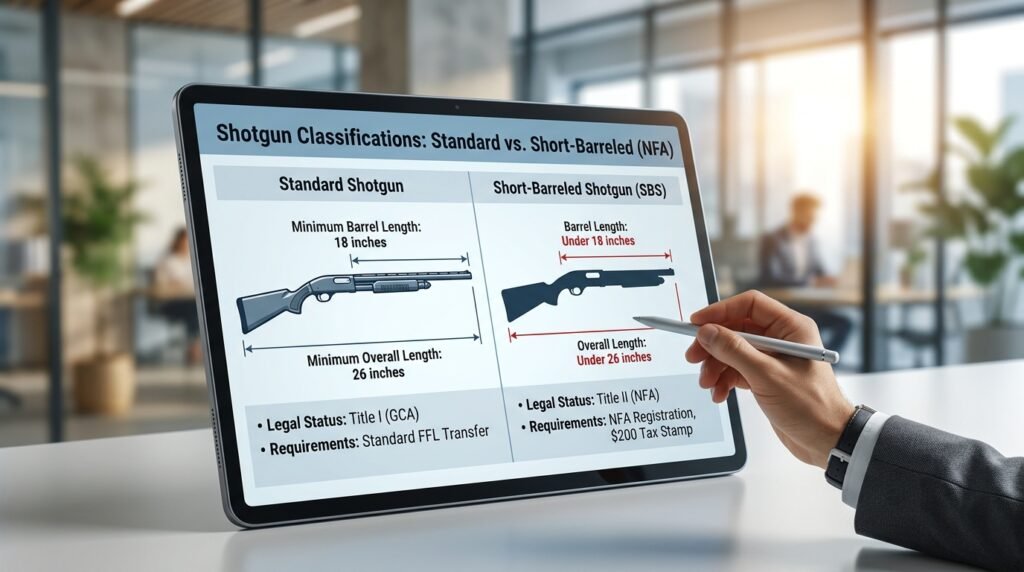
A short-barreled shotgun is a shotgun with a barrel shorter than eighteen inches. That’s the core rule. Federal law also covers any shotgun modified to have an overall length under twenty-six inches, even if the barrel itself measures longer. Miss either mark, and you’re holding a legal short barrel shotgun only if it’s registered under federal law. Skip that step, and the same gun becomes a serious criminal offense. Understanding legal shotgun barrel length isn’t just trivia for gun collectors. It’s the line between a lawful firearm and a federal felony.
Table of Contents
- Legal Use & Context
- Key Legal Elements
- Real-World Examples
- Relevant Laws & Statutes
- State-by-State Differences
- Comparison with Related Terms
- Common Misunderstandings
- What to Do If This Term Applies to You
- How to Legally Register a Short-Barreled Shotgun
- Quick Facts
- Key Takeaways
- Penalties for Illegal Possession of a Short-Barreled Shotgun
- FAQs
Everything You Need for Legal Paperwork

Registering a short-barreled shotgun means paperwork. Lots of it. You’ll need ATF forms, a tax payment, and patience while your application clears background checks. Templates and guided tools can take the guesswork out of the process, walking you through each field so nothing gets kicked back for a technicality.
Legal Use & Context
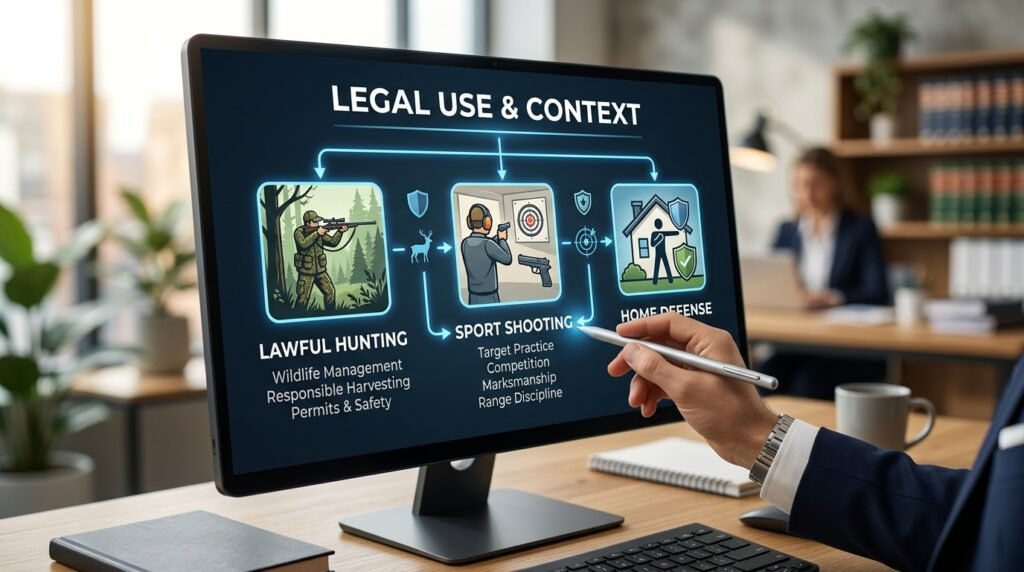
The term “short-barreled shotgun” shows up constantly in firearms law and criminal statutes. It matters anywhere gun ownership, possession, and modification come into play. If you’re thinking about owning, buying, or altering a shotgun, you need to know where the legal length of a shotgun barrel sits, because getting it wrong isn’t a slap on the wrist. It’s a federal charge. Courts treat SBS violations seriously, and ignorance of the barrel length rule rarely helps a defendant’s case.
Key Legal Elements
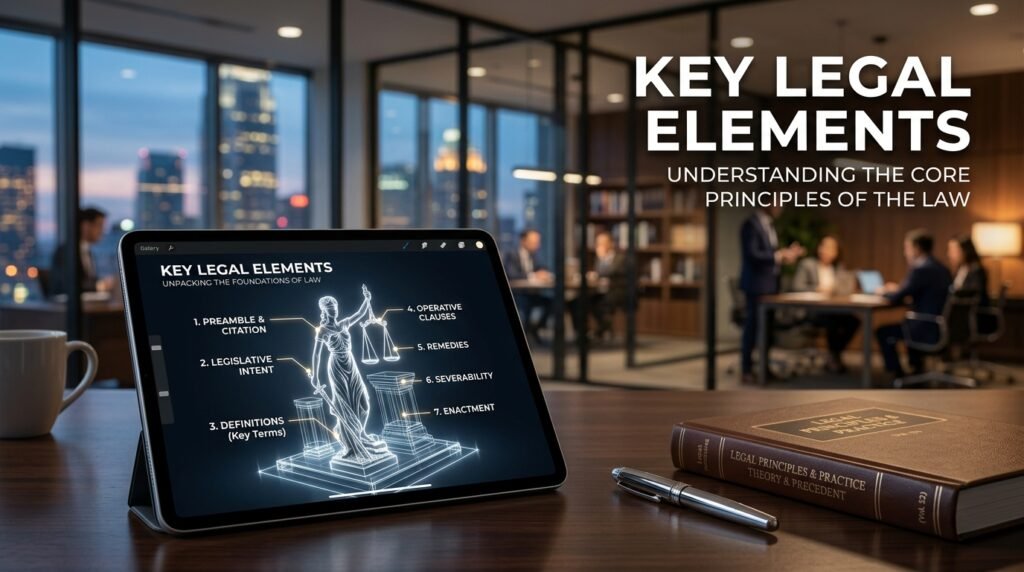
Two numbers drive this entire area of law: barrel length and overall length. Get familiar with both, and you’ll understand almost everything else that follows.
Barrel Length Requirements Under Federal Law
Federal law sets the shortest shotgun barrel length at eighteen inches. Anything shorter triggers NFA regulation. Manufacturers, gunsmiths, and everyday owners all fall under this rule the moment a barrel dips below that threshold, whether the shortening happens at the factory or in a home workshop.
Overall Firearm Length Thresholds
Barrel length isn’t the only measurement that counts. The gun’s overall length, measured end to end with the stock extended, must stay above twenty-six inches. A shotgun could have a legal barrel and still qualify as an SBS if someone shortens the stock or swaps components in a way that drops the total length below that mark.
Real-World Examples

Here’s how this plays out in practice:
Example 1: Someone takes a standard shotgun and cuts the barrel down to sixteen inches. That two-inch difference matters. The gun now meets the legal definition of a short-barreled shotgun, and it needs NFA registration before anyone can legally possess it.
Example 2: A manufacturer builds a shotgun with a fourteen-inch barrel from the start, intending it for NFA-compliant sale. It’s classified as an SBS from day one and can only reach buyers through the proper registration channel. (Hypothetical example for illustration only.)
Relevant Laws & Statutes

Short-barreled shotgun regulation didn’t appear out of nowhere. It traces back nearly a century, and federal agencies still enforce it actively today.
The National Firearms Act (NFA) of 1934
The National Firearms Act shotgun provisions started this whole framework back in 1934. Congress passed the NFA in response to Prohibition-era violence, and it specifically targeted firearms lawmakers considered easy to conceal, shotguns with shortened barrels included. The definition later found its way into 18 U.S.C. § 921, which still governs firearms classification today. The Gun Control Act of 1968 and the Firearm Owners Protection Act layered additional rules on top, but the original NFA framework remains the backbone of SBS regulation.
ATF Regulations and Enforcement Guidelines
The Bureau of Alcohol, Tobacco, Firearms and Explosives handles enforcement. ATF firearm regulations cover everything from initial registration to ongoing compliance checks. If you’re filing paperwork, transferring ownership, or building an SBS from a standard shotgun, the ATF is the agency reviewing your application and, eventually, deciding whether to approve it.
State-by-State Differences
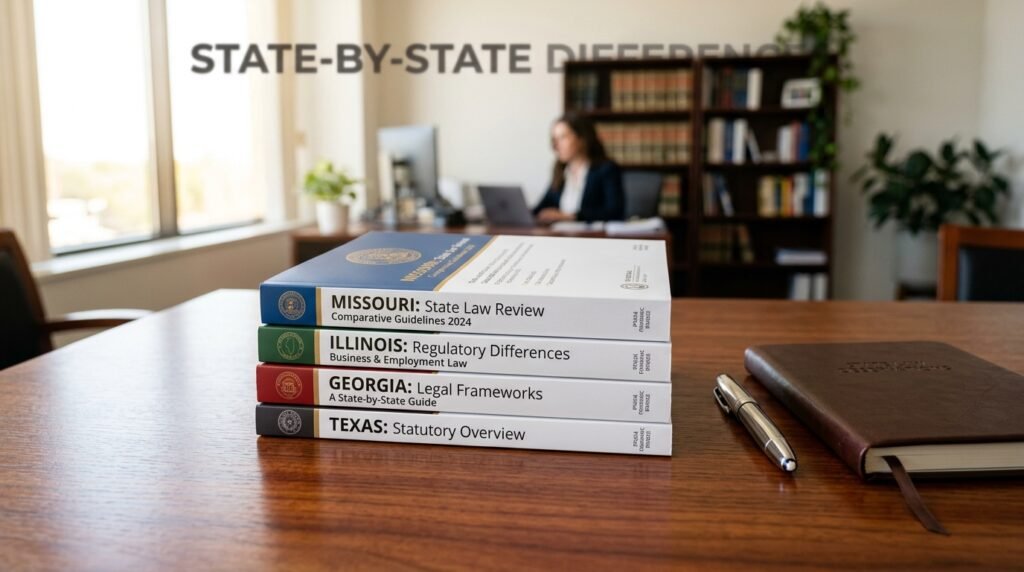
Federal law sets the floor, but states can add their own restrictions on top. Some prohibit short-barreled shotguns outright, no matter what federal paperwork you’re carrying.
| State | Regulations |
| California | Strict state shotgun possession laws; short-barreled shotguns are generally prohibited, even with federal registration. |
| Texas | Permissible with proper NFA registration and compliance with state requirements. |
| New York | Requires a special state permit in addition to federal approval. |
This is a partial list. Shotgun barrel length by state varies more than most people expect, so always check your local rules before you buy, build, or transport an SBS.
Comparison with Related Terms
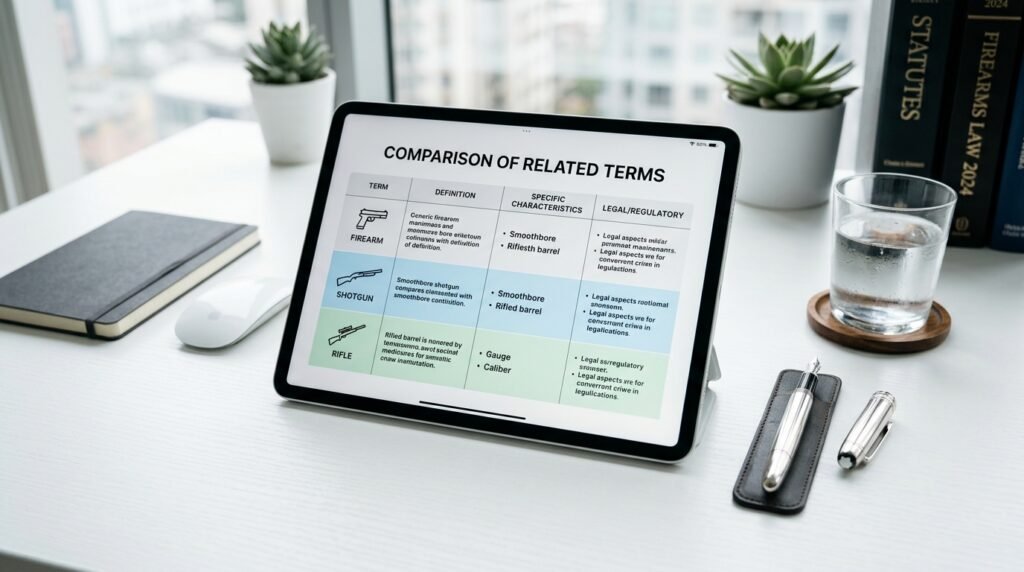
People mix these terms up constantly. Here’s how they actually differ.
| Term | Definition |
| Shotgun | A shoulder-fired firearm, typically smooth-bored, built to fire shells rather than single bullets. |
| Short-barreled rifle (SBR) | A rifle with a barrel under sixteen inches, regulated similarly to an SBS but under separate NFA classification. |
| Any Other Weapon (AOW) | A catch-all NFA category for firearms that don’t fit neatly into other classes, often smaller or unusually configured. |
Short-Barreled Shotgun vs. Sawed-Off Shotgun
“Sawed-off” is the street term. “Short-barreled shotgun” is the legal one. They describe the same physical outcome, a barrel shorter than eighteen inches, but only one of them shows up in federal statutes. Don’t let the casual phrase fool you into thinking the law treats it casually too.
Short-Barreled Shotgun vs. Short-Barreled Rifle
Both fall under NFA regulation, and both require registration. The difference comes down to barrel length thresholds. An SBS trips the wire at eighteen inches. An SBR trips it at sixteen. Confusing the two on a registration form can delay your application or trigger a rejection.
Short-Barreled Shotgun vs. AOW (Any Other Weapon)
An AOW classification generally applies to firearms that don’t cleanly fit the SBS or SBR mold; think disguised firearms or unusually short overall configurations. The transfer tax differs too. AOWs carry a lower $5 transfer tax, compared to the $200 transfer tax attached to SBS and SBR registrations.
Common Misunderstandings
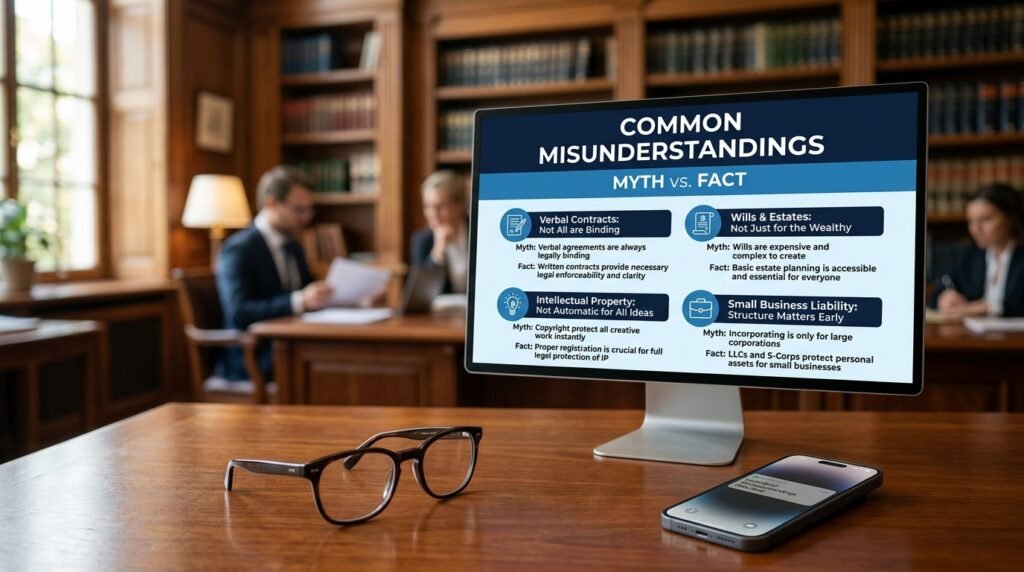
Let’s clear up a few myths:
- Not every short-barreled shotgun is illegal. Properly registered ones are perfectly legal to own.
- Modifying a shotgun doesn’t automatically create an SBS. It only counts if the barrel or overall length drops below the federal threshold.
- State laws aren’t uniform. What’s legal in Texas might land you in serious trouble in California.
What to Do If This Term Applies to You
If you’re staring down a shotgun that might qualify as short-barreled, don’t guess. Here’s your game plan:
- Check both federal rules and your specific state’s shotgun possession laws.
- Use legal templates or guided tools to prepare NFA registration paperwork accurately.
- Talk to an attorney if anything about your situation feels unclear, especially before you buy, sell, or modify a firearm.
How to Legally Register a Short-Barreled Shotgun
Registration isn’t optional, and it isn’t quick. But it’s the only path that turns an illegal short-barreled shotgun into a lawful one.
Filing ATF Form 1 or Form 4
Building your own SBS from an existing shotgun means filing ATF Form 1. Buying one that’s already manufactured and registered means Form 4 instead. Both forms require fingerprints, photographs, and a notification to your local chief law enforcement officer.
Paying the NFA Tax Stamp Fee
Every SBS registration comes with an NFA tax stamp fee of $200. That’s a federal transfer tax, not a one-time processing charge you can dodge with paperwork tricks. No stamp, no legal possession.
Wait Times and Approval Process for NFA Items
Patience matters here. NFA wait time approval has historically stretched anywhere from several months to close to a year, depending on ATF processing backlogs. Many owners set up an NFA trust beforehand, since trusts can simplify future transfers and estate planning for regulated firearms.
Quick Facts
- Shortest shotgun barrel length allowed without registration: 18 inches.
- Minimum overall length allowed: 26 inches.
- Registration tax: $200 (standard SBS transfer).
- Governing law: National Firearms Act of 1934.
Key Takeaways
- A short-barreled shotgun is defined by two measurements: barrel length and overall length.
- Federal law sets the baseline, but state shotgun possession laws can be far stricter.
- Registration through ATF Form 1 or Form 4, plus the tax stamp, makes ownership legal.
- Templates and legal tools can help you avoid paperwork mistakes that delay approval.
Penalties for Illegal Possession of a Short-Barreled Shotgun
Unregistered possession isn’t a minor infraction. It’s a federal felony punishable by up to ten years in prison and fines reaching $250,000. Add state-level firearm modification penalties on top, and the consequences stack quickly. Courts don’t typically show leniency here, since SBS violations sit squarely within federal firearm forfeiture and prosecution priorities. Beyond prison time, a conviction often means losing your right to own any firearm afterward.
Find the Legal Form That Fits Your Case
Whether you’re filing NFA paperwork or researching state-specific rules, having the right legal form on hand saves time and reduces costly mistakes.
FAQs
What is the legal definition of a short-barreled shotgun?
A short-barreled shotgun is a shotgun with a barrel under eighteen inches, or one modified to an overall length under twenty-six inches.
Do I need a permit for a short-barreled shotgun?
Yes. You’ll need NFA registration through ATF Form 1 or Form 4, plus the required tax stamp, before you can legally possess one.
Can I modify my shotgun to make it a short-barreled shotgun?
You can, but only after filing the proper ATF paperwork and paying the tax stamp fee. Modifying first and registering later is illegal, even briefly.
Is it legal to travel across state lines with a short-barreled shotgun?
It depends. Federal law allows interstate transport under specific conditions, but some states prohibit SBS possession entirely, regardless of your federal paperwork. Always check destination-state law before you travel.
Conclusion:
So, what’s the bottom line on legal shotgun barrel length? It comes down to two numbers. Eighteen inches for the barrel. Twenty-six inches overall. Cross either line without registering, and you’re breaking federal law.
Now you know what a short-barreled shotgun is and why the rules exist. Why are short-barreled shotguns illegal without paperwork? Lawmakers wanted a way to track easily concealed firearms. That’s the whole reason behind the National Firearms Act. The shortest shotgun barrel length allowed is simple to remember, but skipping registration turns a legal short-barreled shotgun into a felony overnight.
Before you buy, build, or modify anything, double-check the legal length of a shotgun barrel in your state. Federal rules set the floor, but states can go further. When in doubt, talk to a professional and file the right paperwork first.
legal shotgun barrel length legal shotgun barrel length legal shotgun barrel length legal shotgun barrel length legal shotgun barrel length legal shotgun barrel length legal shotgun barrel length legal shotgun barrel length legal shotgun barrel length legal shotgun barrel length legal shotgun barrel length legal shotgun barrel length legal shotgun barrel length legal shotgun barrel length legal shotgun barrel length legal shotgun barrel lengthlegal shotgun barrel length legal shotgun barrel length