
Working offshore is tough. It’s also dangerous. If you got hurt on a rig, a boat, or a drilling platform near Houston, you need real help. That’s where houston offshore injury attorneys come in. They know maritime law inside and out. They fight for hurt workers every single day.
A houston offshore accident lawyer understands the Jones Act. They know federal maritime rules too. An offshore injury lawyer houston workers trust won’t leave you guessing about your rights. You deserve answers fast, not runaround.
Choosing the right houston offshore accident attorney matters. Look for a houston offshore injury law firm with real courtroom experience. A skilled houston offshore attorney fights insurance companies hard. They push for full compensation. Your recovery matters most. Don’t face this alone — call houston offshore injury attorneys today and get the support you deserve.
Injured in Birmingham? Our car accident attorney fights insurers for full compensation, fast. Free consultation, no upfront fees.
Houston Offshore Injury Lawyer
Working offshore isn’t like clocking in at a regular job site. You’re out on open water, sometimes hundreds of miles from shore, surrounded by heavy machinery, high pressure lines, and unpredictable weather.On the road, dangerous situations can develop in an instant.If you’ve been hurt on a rig, a barge, or a drilling platform near the Gulf Coast, you need houston offshore injury attorneys who understand exactly how these cases work — and exactly what’s at stake for you and your family.
Understanding Offshore Injury Claims in Houston
Offshore injury law isn’t like your typical personal injury claim. It runs on a completely different set of federal rules, and getting it wrong can cost you the compensation you’re owed. That’s why so many injured workers turn to a houston offshore accident lawyer the moment something happens on the job.
What Counts as an Offshore Injury?
An offshore injury covers any harm that happens while you’re working on or around navigable waters. Think oil rigs, drilling platforms, tugboats, barges, and even fishing vessels. It doesn’t matter if the accident happened during a routine shift or a sudden emergency — if you got hurt doing offshore work, you likely have a claim. Common injuries include broken bones, burns, spinal damage, and traumatic brain injuries. Some workers walk away with injuries that heal. Others face a lifetime of limitations.
Jones Act vs. General Maritime Law
Here’s where things get confusing fast. The Jones Act lets injured seamen sue their employers directly for negligence. General maritime law, on the other hand, covers a broader range of claims, including unseaworthiness of a vessel. The two overlap in some cases and diverge in others. Figuring out which law applies to your situation isn’t something you should guess at. A seasoned offshore injury lawyer houston workers rely on will know which path gets you the strongest result.
Why Houston Is a Hub for Offshore Injury Cases
The American energy industry has a major hub in Houston.Thousands of workers head out from Gulf Coast ports every single day to drilling platforms and vessels across the Gulf of Mexico. With that much offshore activity concentrated in one region, it’s no surprise Houston sees more than its fair share of maritime injury claims. That’s also why so many firms specialize specifically in this niche of the law — the demand here is real, and so is the risk.
Common Causes of Offshore Accidents
Offshore work comes with built-in hazards you just don’t find on land. Heavy equipment, slick surfaces, and confined spaces create a perfect storm for accidents.
Slip and Fall Accidents on Oil Rigs
Wet decks, oil spills, and metal grating make oil rigs a slip-and-fall hazard waiting to happen. Add rough seas into the mix, and even a routine walk across the platform turns risky. These falls often result in serious injuries, from fractured hips to torn ligaments, especially when workers fall from elevated platforms or stairwells.
Equipment Failure and Malfunctions
Offshore equipment takes a beating. Saltwater, constant vibration, and heavy use wear parts down faster than most people realize. When companies skip maintenance or ignore warning signs, equipment fails — and workers pay the price. Faulty winches, broken pumps, and malfunctioning drilling tools have all caused catastrophic injuries on rigs across the Gulf.
Explosions and Fires on Offshore Platforms
Few offshore accidents are more devastating than an explosion. Oil rigs handle flammable materials under intense pressure, and even a small spark can trigger a fire that spreads in seconds. Workers caught in these incidents often suffer severe burns, smoke inhalation, or worse. These cases usually involve serious negligence, whether it’s poor safety protocols or ignored maintenance requests.
Crane and Rigging Accidents
Cranes lift massive loads across offshore platforms every day. When rigging fails or an operator makes a mistake, the results can be fatal. Dropped loads, snapped cables, and crane tip-overs have all led to catastrophic injuries for workers standing nearby. These accidents often trace back to inadequate training or poorly maintained equipment.
Types of Offshore Workers We Represent
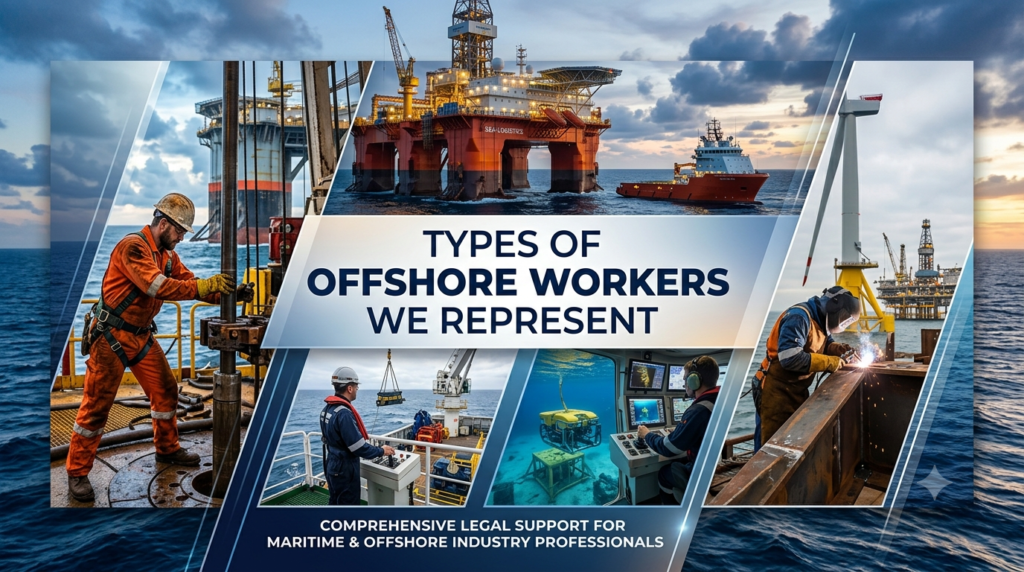
Offshore injury law doesn’t apply the same way to every worker. Your job title actually shapes which legal protections you can use.
Oil Rig Workers
From roughnecks to derrickhands, oil rig workers face some of the most physically demanding and dangerous conditions in the industry. Heavy machinery, high-pressure drilling operations, and long shifts add up to real risk. When injuries happen, a houston offshore accident attorney can help sort out whether the Jones Act or another maritime law applies.
Tugboat and Barge Crew Members
Crews aboard tugboats and barges navigate confined channels every day as they move large cargo shipments.Slips, falls, and equipment accidents are common here too. Because these workers typically qualify as seamen, Jones Act claims often come into play when injuries occur.
Commercial Fishermen
Commercial fishing ranks among the most dangerous jobs in America, and for good reason. Rough seas, heavy nets, and sharp equipment create constant hazards. Injured fishermen often qualify for Jones Act protection, along with maintenance and cure benefits while they recover.
Pipeline and Platform Technicians
Technicians who maintain offshore pipelines and platform systems work in tight spaces around high-pressure equipment. A single malfunction can lead to serious burns, chemical exposure, or crushing injuries. These workers may fall under either the Jones Act or the LHWCA, depending on their specific role and vessel status.
Compensation Available for Offshore Injuries
Getting hurt offshore doesn’t just hurt physically. It hits your wallet too. The good news? Several types of compensation exist to help you recover.
Medical Expenses and Ongoing Care
Offshore injuries often require extensive treatment, from emergency surgery to months of physical therapy. Compensation should cover every bit of it, including future care if your injury leads to long-term or permanent limitations.
Lost Wages and Loss of Earning Capacity
Missing work means missing paychecks, and offshore jobs tend to pay well. If your injury keeps you from returning to your old role, or any physically demanding job at all, you may be entitled to compensation for that lost earning capacity, not just your missed wages up to today.
Maintenance and Cure Benefits
Maintenance and cure works a bit like no-fault insurance for injured seamen. It covers daily living expenses, such as rent and utilities, along with your medical bills, regardless of who caused the accident. This benefit kicks in fast, giving you some breathing room while your larger claim moves forward.
Pain and Suffering Damages
Money can’t undo an injury, but it can account for what you’ve been through. Pain and suffering damages address the physical pain, emotional toll, and lost quality of life that often follow a serious offshore accident.
The Jones Act and Your Legal Rights

The Jones Act gives injured seamen a powerful tool for holding employers accountable. But using it effectively means understanding exactly how it works.
Who Qualifies as a “Seaman” Under the Jones Act
Not every offshore worker automatically counts as a seaman. Generally, you need to spend a significant portion of your work time, courts often look at around 30 percent, aboard a vessel in navigation. A houston maritime injury lawyer can review your specific work history to determine whether you meet this threshold.
Proving Employer Negligence
Unlike standard workers’ comp claims, the Jones Act requires you to show your employer’s negligence played a role in your injury. That might mean unsafe working conditions, inadequate training, or ignored safety violations. The bar is lower than in many other negligence cases, but you still need solid evidence to back your claim.
Filing Deadlines and Statute of Limitations
Time isn’t on your side after an offshore injury. Most Jones Act claims must be filed within three years of the accident, but shorter deadlines can apply depending on your specific circumstances. Waiting too long could mean losing your right to compensation entirely, so don’t sit on this.
Why Choose Our Houston Offshore Injury Attorneys
Not every law firm handles maritime cases. This area of law is niche, complex, and constantly evolving, which is exactly why you need attorneys who live and breathe it.
Decades of Maritime Law Experience
Our houston offshore injury law firm has spent years handling claims under the Jones Act, the LHWCA, and general maritime law. We know how these cases unfold, and we know how offshore companies try to minimize payouts.
No Fees Unless We Win
You shouldn’t have to pay upfront to fight for what you deserve. We work on a contingency basis, meaning you owe nothing unless we secure compensation on your behalf. Your recovery comes first, always.
Personalized Case Evaluation
Every offshore accident looks different, and so should your legal strategy. We take the time to understand your specific situation, your injuries, and your goals before mapping out the right approach for your case.
Steps to Take After an Offshore Accident
What you do right after an offshore accident can make or break your claim later on.
Reporting the Injury to Your Employer
Report your injury as soon as possible, ideally in writing. Delayed reporting gives employers and insurance companies an excuse to question the legitimacy of your claim, so don’t wait around.
Seeking Immediate Medical Attention
Get checked out right away, even if your injuries seem minor at first. Some offshore injuries, like internal trauma or concussions, don’t show obvious symptoms immediately. Medical records also create a paper trail that strengthens your claim.
Documenting the Accident Scene
Take photos if you can. Note what equipment was involved, who witnessed the accident, and what conditions contributed to it. This kind of documentation often becomes critical evidence once your case moves forward.
Offshore Injury Statistics in the Gulf of Mexico
How Often Do Offshore Accidents Happen in Texas Waters?
The Gulf of Mexico remains one of the busiest offshore drilling regions in the world, and with that activity comes real risk. Federal safety agencies track hundreds of offshore incidents across the Gulf each year, ranging from minor injuries to fatal accidents. Texas waters see a significant share of this activity given the concentration of oil and gas operations running out of Houston-area ports.
Death on the High Seas Act (DOHSA) Claims
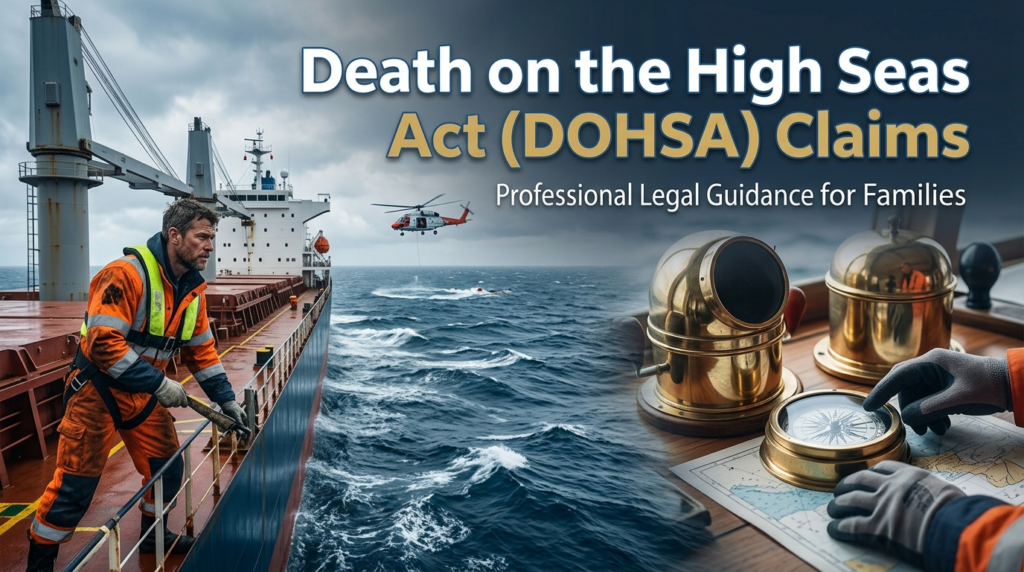
When Wrongful Death Claims Apply Offshore
Losing a loved one in an offshore accident brings a different kind of legal path. The Death on the High Seas Act allows surviving family members to pursue a wrongful death claim when a death occurs due to negligence or an unseaworthy vessel in international waters. DOHSA claims can help cover funeral costs, lost financial support, and loss of companionship, though the process differs from a standard injury claim.
Frequently Asked Questions About Offshore Injury Claims
How Long Does an Offshore Injury Case Take to Settle?
There’s no one-size-fits-all answer here. Simple cases with clear liability might settle within months. More complex claims, especially those involving disputed fault or serious injuries, can take a year or longer. Working with experienced houston offshore injury attorneys often speeds things up, since we know how to push cases forward instead of letting them stall.
Conclusion
Offshore accidents change lives in an instant. One minute you’re working your shift. The next, you’re facing surgery, missed paychecks, and an uncertain future. That’s a heavy load to carry alone. You don’t have to.
Houston offshore injury attorneys stand ready to fight for you. A houston offshore accident lawyer knows maritime law inside and out. An offshore injury lawyer houston workers trust won’t back down against big oil companies or their insurers. Whether you need a houston offshore accident attorney for a Jones Act claim or a houston offshore injury law firm to handle a wrongful death case, you deserve real support.
Don’t wait to get help. Call today for a free consultation. A dedicated houston offshore attorney will review your case, answer your questions, and fight for every dollar you’re owed. Houston offshore injury attorneys are ready when you need them.
houston offshore injury attorneys houston offshore injury attorneys houston offshore injury attorneys houston offshore injury attorneys houston offshore injury attorneys houston offshore injury attorneys houston offshore injury attorneys houston offshore injury attorneys houston offshore injury attorneys houston offshore injury attorneys houston offshore injury attorneys houston offshore injury attorneys houston offshore injury attorneys houston offshore injury attorneys houston offshore injury attorneys